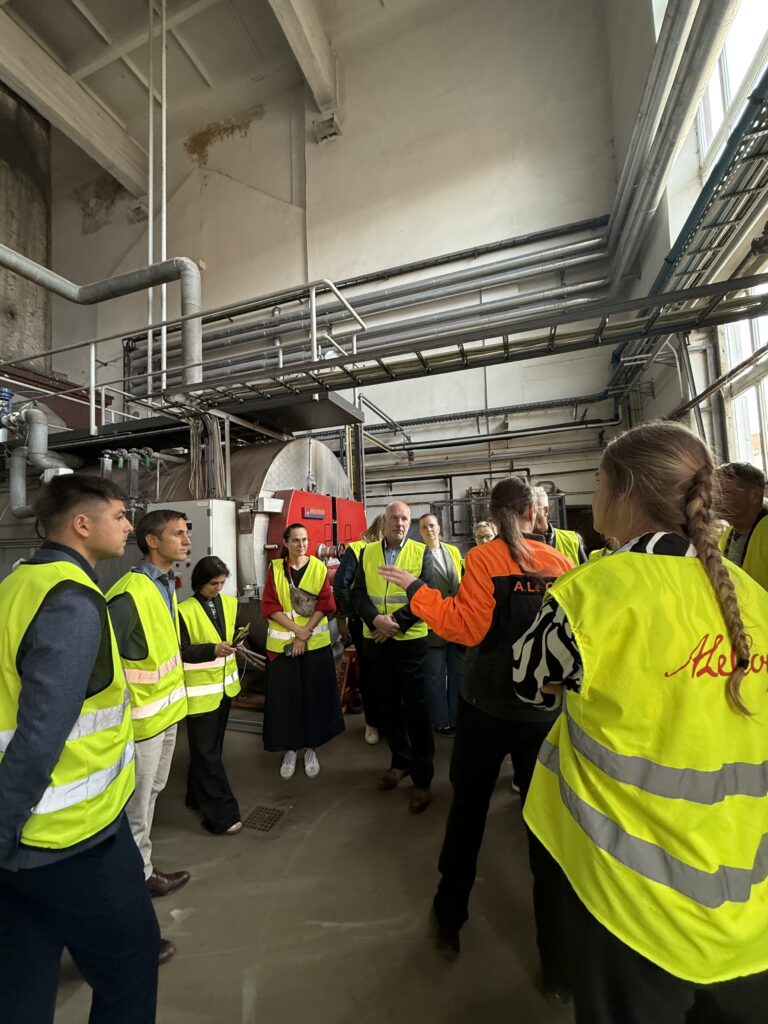
Energy Circle: Partner meeting in Tartu

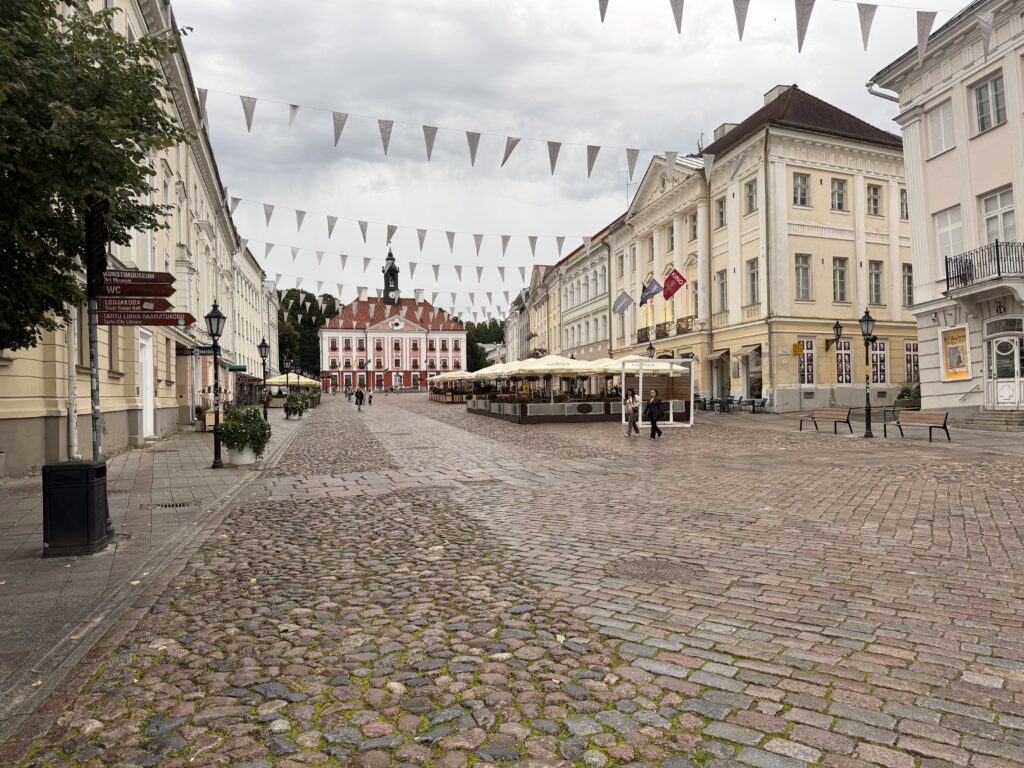
On 8 and 9 September 2026, the partners of the Interreg project Energy Circle met for the fourth time, this time in Tartu, Estonia. The meeting was hosted by the Tartu Regional Energy Agency. The focus was on the progress of the two online tools being developed in the project and the schedule up to the end of the year.

Self-assessment: feedback from the first practical test

The online self-assessment (Solution 1) has been available at projectenergycircle.eu/assessment since 30 June 2026. Organisations and companies can use it to see where they stand on energy issues; since August, the results can be downloaded as a PDF with a competence wheel.

A pre-test in the Latvian region of Zemgale and feedback from other partners produced a manageable list of changes. The most important ones: the statements in the energy technology module need short explanations, the module on funding and financing needs a glossary with examples, and in future the results should also be evaluated for the organisation as a whole – so far they are only available per participant. These points are to be incorporated into a stable version by the end of September, which will then be used in the test phase with the first organisations.

Roadmap tool: testing with partners coming up

Internal testing has been completed for the second tool, the online roadmap to energy independence (Solution 2). The next step is a test round with selected partners before the tool is rolled out in the regions.

Visit to A. Le Coq

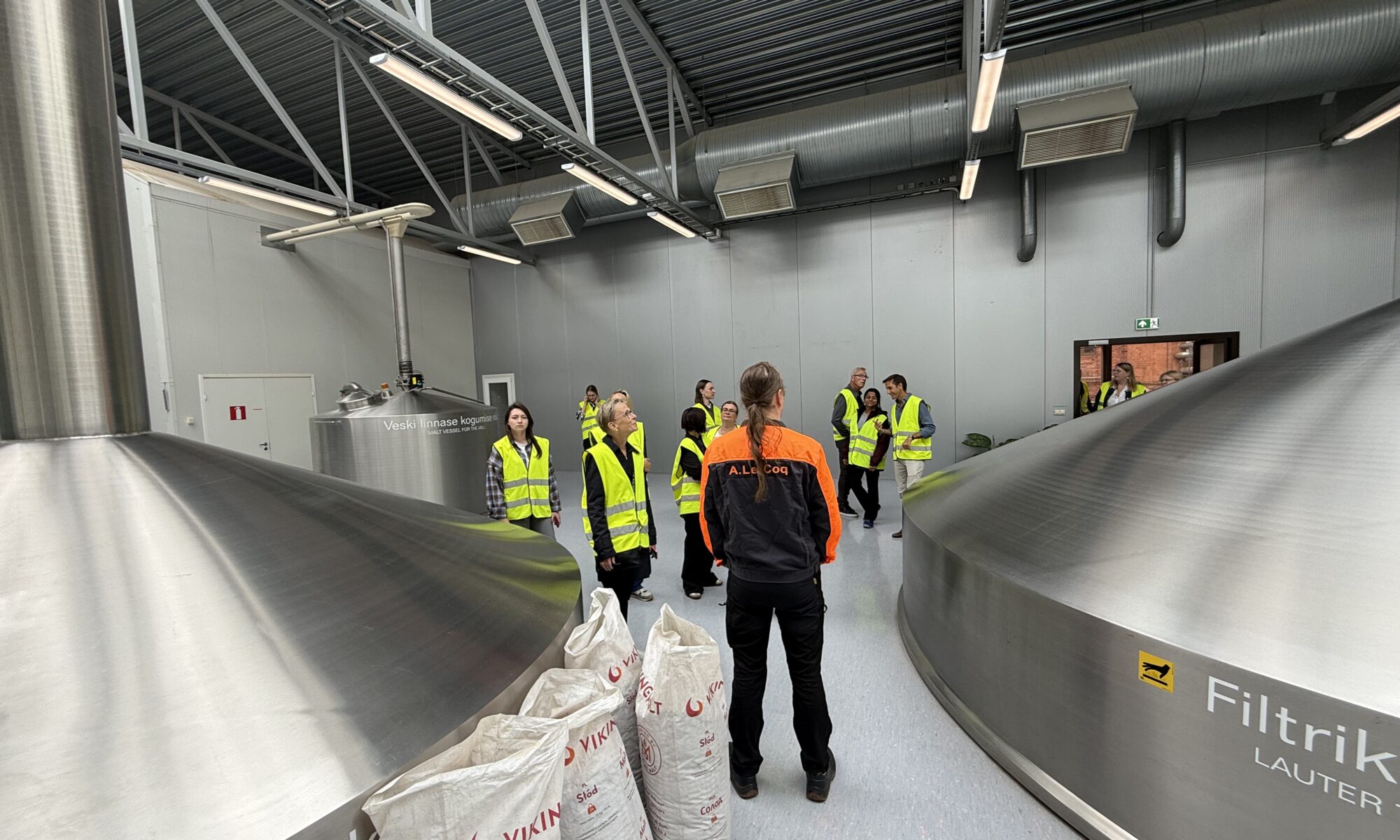
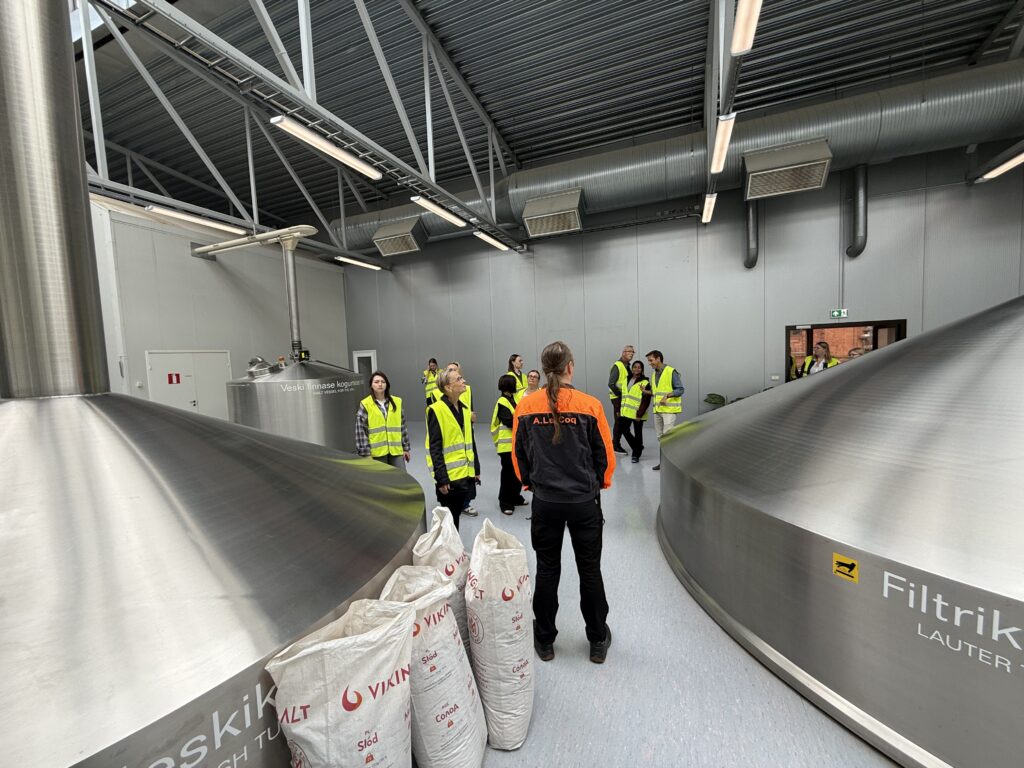
The programme also included a visit to A. Le Coq in Tartu, Estonia’s largest brewery. The partners were shown around the brewhouse and the energy centre and learned how the company organises its energy supply. For a project that aims to give organisations and companies a self-assessment on exactly these questions, this was a useful reality check.

Next steps

By the end of September, the methodology behind the self-assessment and the guide for the accompanying interviews will be finalised. After that, the test phase with organisations in the participating regions will begin. RegioVision is involved as a project partner and contributes mainly to the content and methodology of the self-assessment.

Energy Circle is funded by the Interreg Baltic Sea Region Programme. The project brings together partners from Denmark, Germany, Estonia, Latvia, Finland, Sweden and Poland; the lead partner is Tønder Municipality (Denmark).

BRIDGE MOOC is now online!

The BRIDGE Project’s Gamified MOOC on Digital Safety and Data Privacy, a cornerstone of the BRIDGE project is LIVE!

In today’s digital era, ensuring online safety is a complex challenge that adult education institutions, educators, and learners cannot afford to overlook. This interactive, course is designed to turn confusion into confidence, offering practical skills and a proactive approach to maintaining privacy in digital environments.

What’s Inside the MOOC? The course features three specialized learning tracks tailored to your role:

• For Managers: Focus on implementing GDPR compliance, developing institutional data policies, and managing digital risks.

• For Educators: Learn to integrate digital ethics into your teaching, vet safe platforms, and protect learner data.

• For Learners: Specifically designed for immigrant women to help them protect their digital footprint, understand their rights, and recognize online scams.

The MOOC incorporates game-like elements such as interactive scenarios, quizzes, and point systems to make learning enjoyable and effective. To ensure maximum inclusion, the course is available in 7 languages: English, German, Greek, Polish, Czech, Arabic, and Ukrainian.

This project is co-funded by the Erasmus+ programme

Ready to start your journey toward digital resilience?

Register today and access the MOOC and Guidebook here: www.thebridgeproject.eu

Kick-off at the Black Sea

From 11 to 14 March, we visited our Turkish partner Paydaş Eğitim Kültür ve Sanat Derneği on the Black Sea to launch our new W-RETURN project.

Once we had got to know each other, we got to work on the project. Over the next 16 months, we want to offer customised support to women who want to return to work. The exchange between the German and Turkish women, which is part of our work plan, will make this project particularly interesting.

We are very impressed by the work of our partners in Zonguldak and are already looking forward to the return visit in July, when a group of Turkish women will come to Schwerin.

BRIDGE: first project meeting

The project partners from Germany, Austria, the Czech Republic, Poland and Cyprus met for the first time in person in Schwerin in autumn to launch the new joint Erasmus+ project BRIDGE.

After getting to know each other, we got down to the details of the project: we discussed the individual planned project phases and their results and set the most important deadlines.

After the lunch break, we then took an in-depth look at digital skills and the needs of our target groups in this regard in a first workshop.

All participants went home very satisfied and confident.

VETDesign: Kick-off in Schwerin

On 29.10.2024, the representatives of the five partner organisations of the new Erasmus+ project VETDesign met for the first time in Schwerin.

After getting to know each other, we immediately got down to work: the first tasks were discussed and a timetable for the entire 24-month project was agreed.

The first project workshop involved intensive discussions and valuable personal experience with the elements of design thinking.

All participants were impressed by the constructive and committed atmosphere of the meeting and are now motivated to get down to the actual work. Our extensive work programme also includes the involvement of vocational schools from the participating countries. One of the highlights will be the three-day seminar for vocational school teachers in Greece in spring 2026, where our project results will be communicated and tested in practice.

DIGISCHOOL: Final project meeting in Florence

In autumnal Florence, the project partners of the DIGISCHOOL project met on 19.10.2023 for a final meeting. The last steps in this project were discussed, but mainly it was about a review and evaluation of the things that have been worked on together since January 2022.

These include case studies on the use of digital tools in vocational school teaching, a very extensive collection of tools and platforms that can be used well, videos to present possible uses, and a digital platform that bundles all these results and offers teachers the opportunity to test and purposefully expand their knowledge in this area.

Finally, in a very creative brainstorming session, we collected ideas for a possible follow-up project.

Ready4Crisis kick-off

Our new Erasmus+ project Ready4Crisis started with a 2-day kick-off meeting in Schwerin, Germany. 8 partners – project managers, educational institutions and crisis management institutions – from Germany, Czech Republic, Greece and Poland have joined together in a consortium to actively contribute to the innovation of vocational education in the field of crisis management and monitoring.

There is an urgent shortage of secondary level educational resources in the field of crisis management and crisis monitoring due to emerging crises, hazards and natural disasters resulting from current climate change and societal changes. Furthermore, there is a great need for further training of vocational schoolteachers and instructors in the study/learning subjects of fire safety, fire safety management, fire prevention and similar subjects for emergency personnel, such as paramedics or security forces, as well as exchange and transfer of knowledge from abroad on this subject. With the project, we also want to help create new links between vocational training institutions and training organizations at the international level, with a focus on training in fire and rescue services, and thus develop a new basis for mutual cooperation. In the first step, we focus on the development of innovative teaching materials – inspirational pedagogical guidelines for vocational teachers to provide additional, adequate sources for training in crisis management and monitoring.

growMET: workshop in Romania

From November 14th to 16th, the partners of the Erasmus+ project growMET (growth mindset in educational triangles) met for their second workshop in Tirgu Mureş/Romania. In a very creative and demanding way, the project results we developed so far together were put to the test: how can they support the development and implementation of challenging digital school projects?


The second part of our workshop dealt with our final project result: a growth mindset model for digital teaching. In two groups, we identified different resistances towards changes in the educational sector and developed a strategy to overcome them.
The project partners will present the final results of this demanding project early next year at conferences in Romania, Slovenia, Italy, Germany and the Basque Country/Spain.


This project has been funded with support from the European Commission. This post reflects the views only of the project partners, and the Commission cannot be held responsible for any use which may be made of the information contained therein.